When do you need a dental crown in Lake Worth? A dentist may recommend one when a tooth is cracked, has a large filling, is badly worn or needs protection after root canal treatment. It comes down to how much healthy tooth is left. An exam and digital X-rays show whether a filling can still do the job or the tooth needs more support.
Signs a Tooth May Need a Crown
A mirror won't tell you whether you need a crown. These problems, though, are common reasons to book an exam:
- A tooth hurts when you bite down or when you release the bite.
- A piece of the tooth or an old filling has broken.
- All that's left around a large filling is a thin shell of natural tooth.
- Grinding or clenching has worn the tooth down.
- The tooth has had root canal treatment and needs protection during chewing.
- The tooth is misshapen or discolored and you want to talk about a cosmetic restoration.
Call promptly if the pain is strong, the tooth is loose, or your face or gum is swollen. Our guide to a toothache in Lake Worth explains which symptoms need faster care. If swelling affects breathing or swallowing, call 911 or go to an emergency room.
What Does a Dental Crown Do?
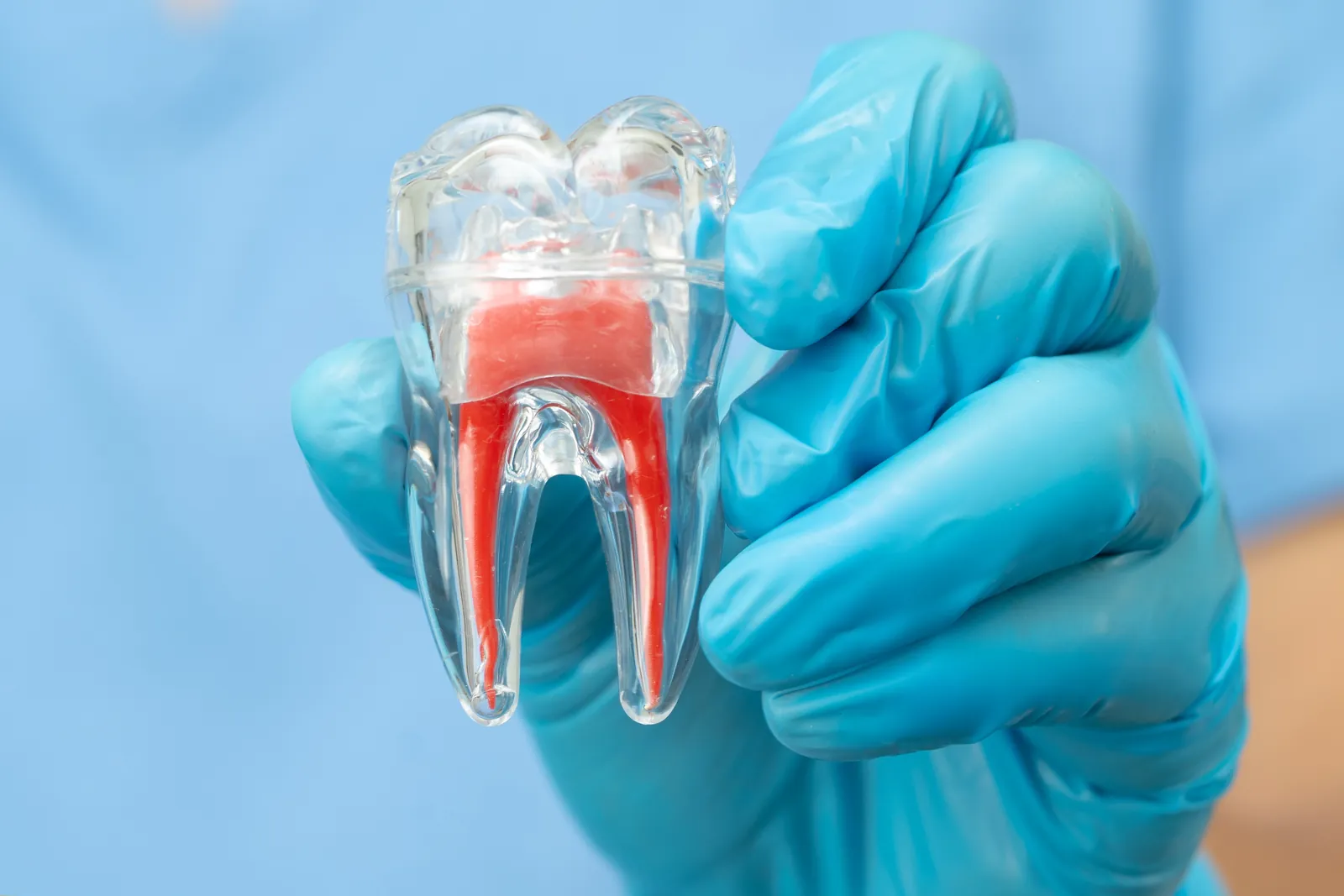
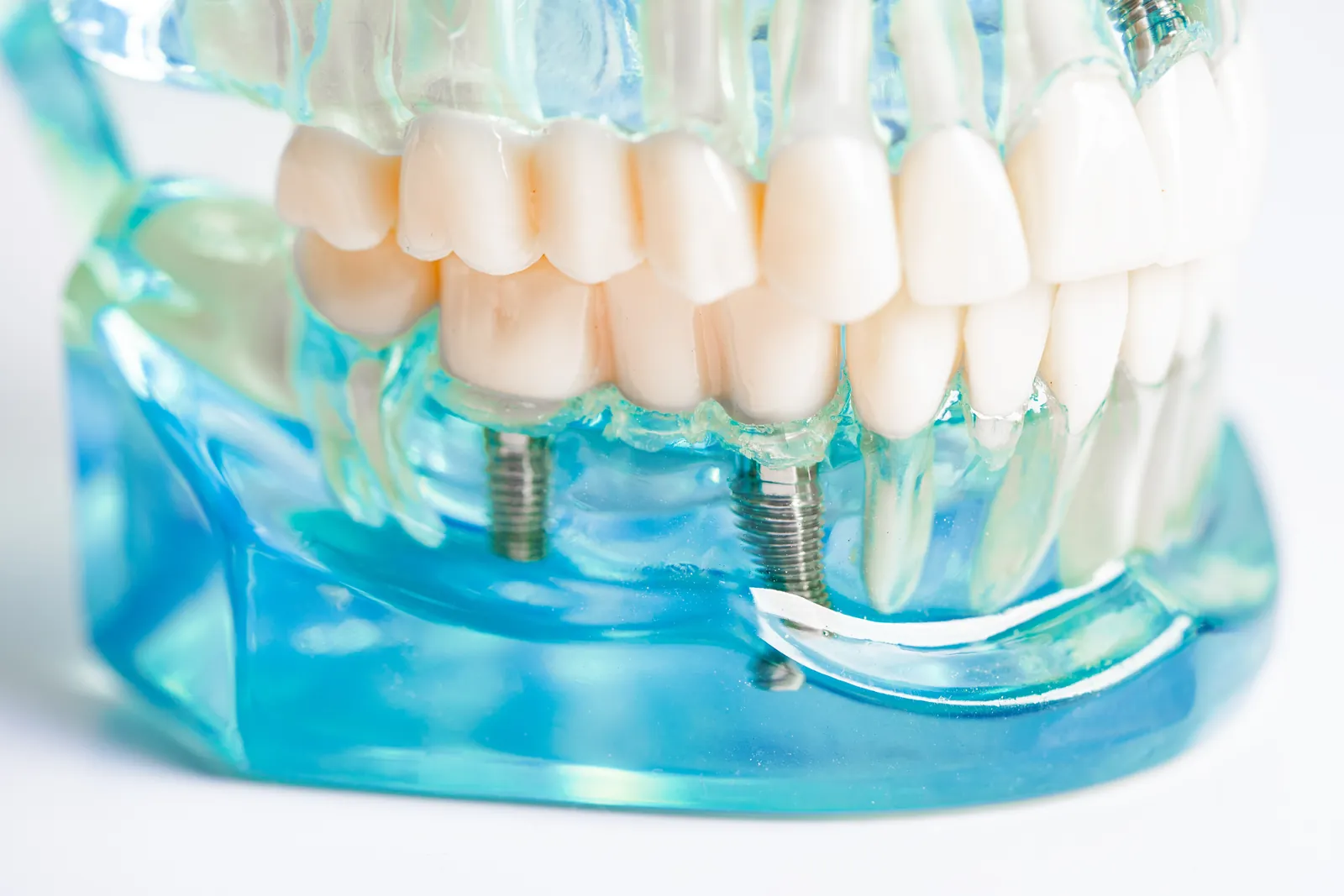
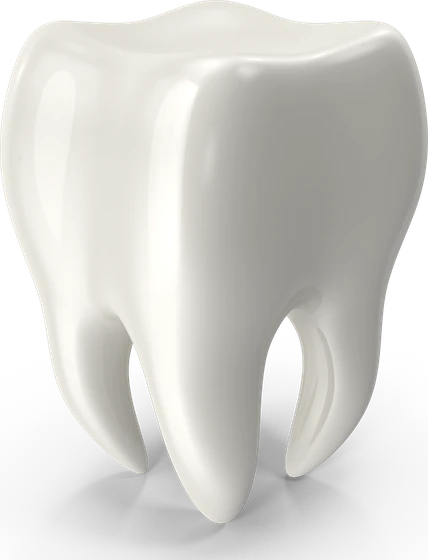
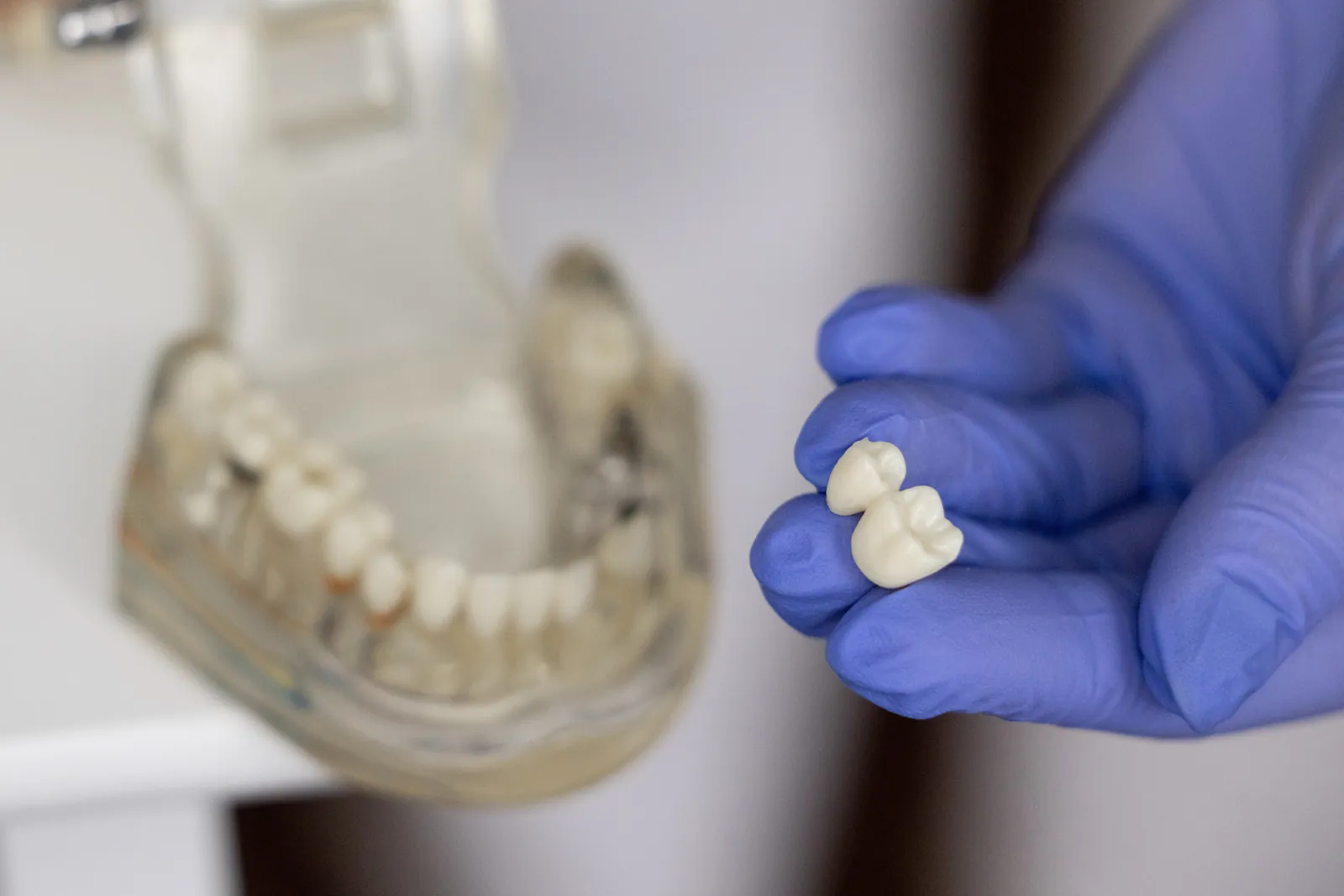
A crown is a tooth-shaped cover that fits over the visible part of a prepared tooth. It puts the tooth's shape back and supports what remains. Crowns can also cover a dental implant or help anchor a bridge.
The material depends on where the tooth sits, the force of your bite and the look you want. The Cagigas Dental dental crowns service page lists four: porcelain, zirconia, porcelain fused to metal and E.max. Your dentist will explain which ones fit your tooth before treatment begins.
A crown doesn't make a tooth immune to decay. The edge where it meets the tooth still needs daily brushing and cleaning between the teeth.
Crown, Filling or Another Option?
The size and location of the damage matter. So does the condition of the tooth's nerve and root. This table shows what a dentist weighs. It isn't a diagnosis.
| Option | When it may be considered | What to know |
|---|---|---|
| Filling | A smaller area of decay or damage, with enough sound tooth around it | Repairs the damaged area without covering the full tooth |
| Crown | A large filling, crack, heavy wear or weakened tooth | Covers the visible tooth to restore shape and support |
| Root canal and crown | The pulp inside the tooth is infected or too inflamed to heal, but the tooth can be restored | The root canal treats the inside; the crown protects the remaining tooth |
| Extraction | The tooth is split or too damaged to restore | The dentist will also explain replacement choices if removal is needed |
| Implant crown | A missing tooth is being replaced with a dental implant | The crown attaches to the implant instead of a natural tooth |
If the nerve may be involved, read our Spanish guide to when root canal treatment may be needed. Cagigas Dental also has pages on root canal therapy and tooth extractions.
What Happens During Crown Treatment?
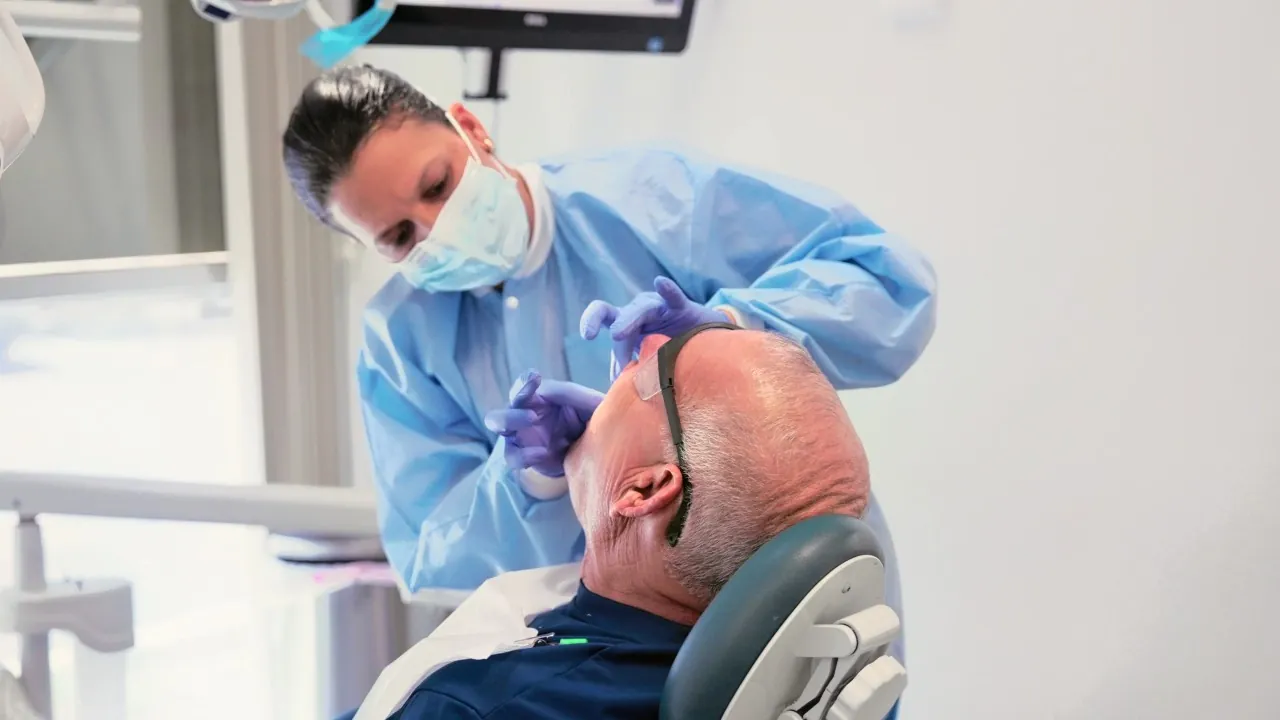
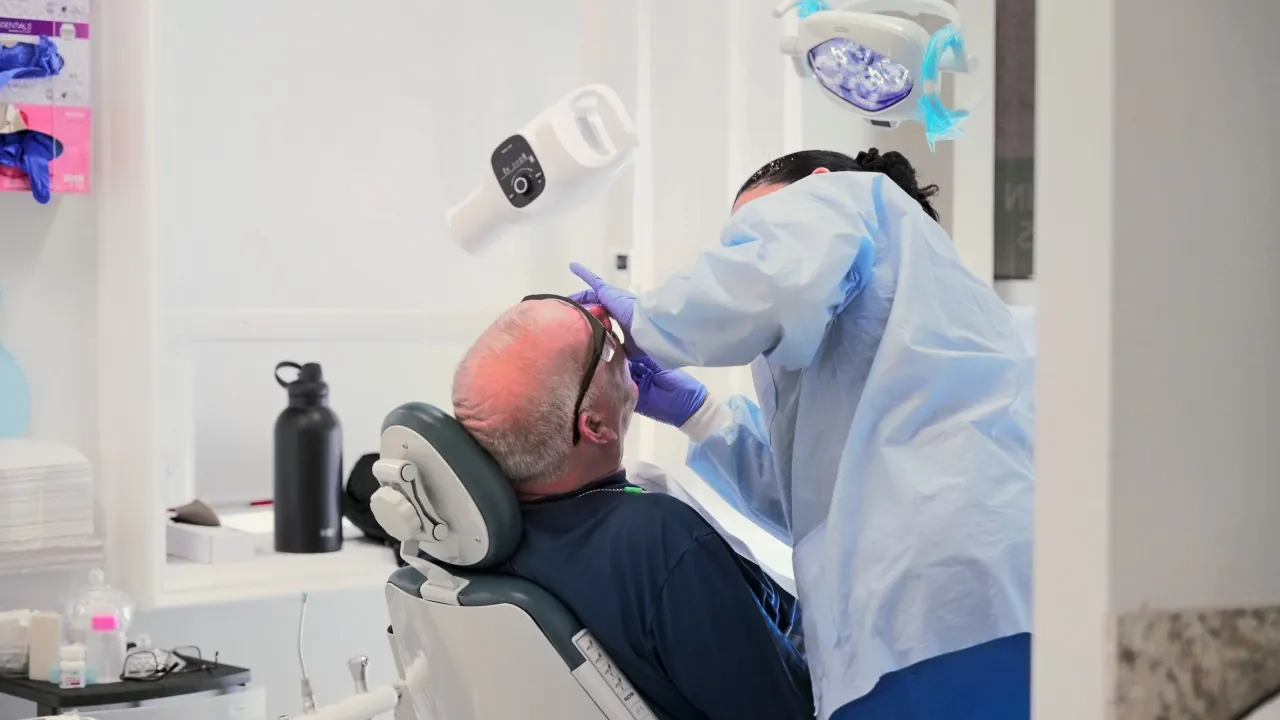
Most cases take two visits, according to the Cagigas Dental crown page. Yours may be different, but the steps usually run like this:
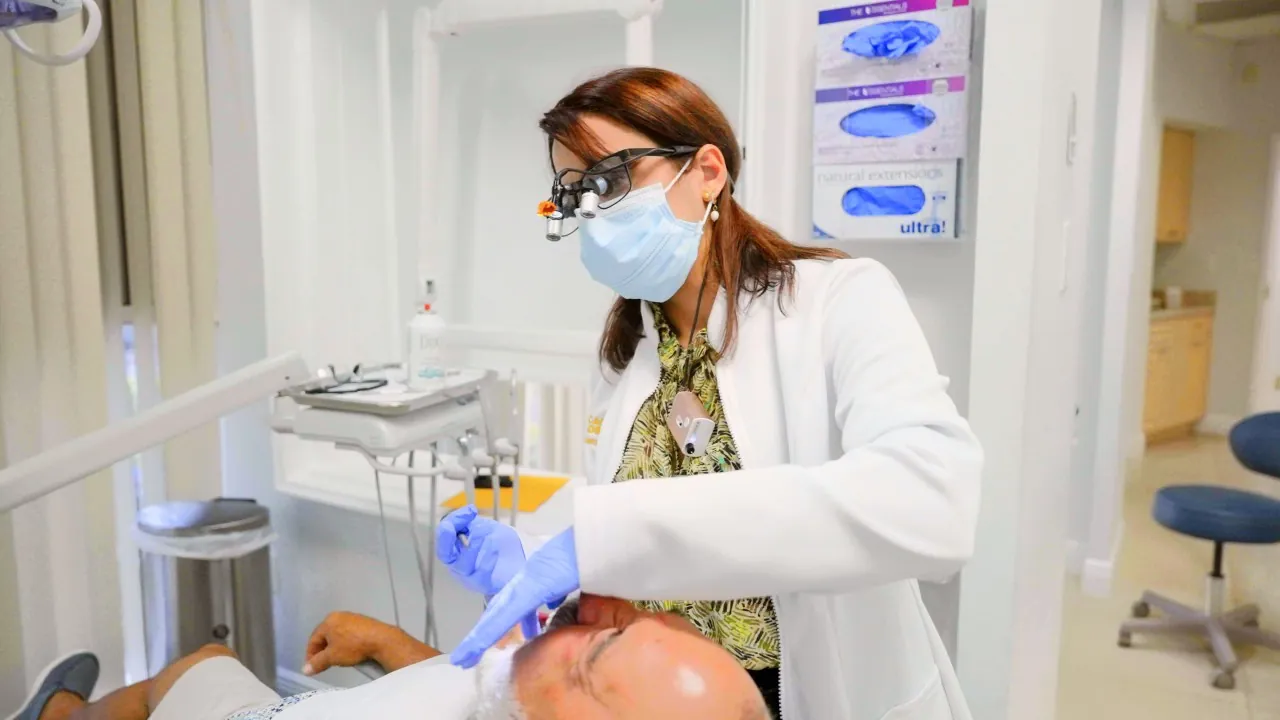
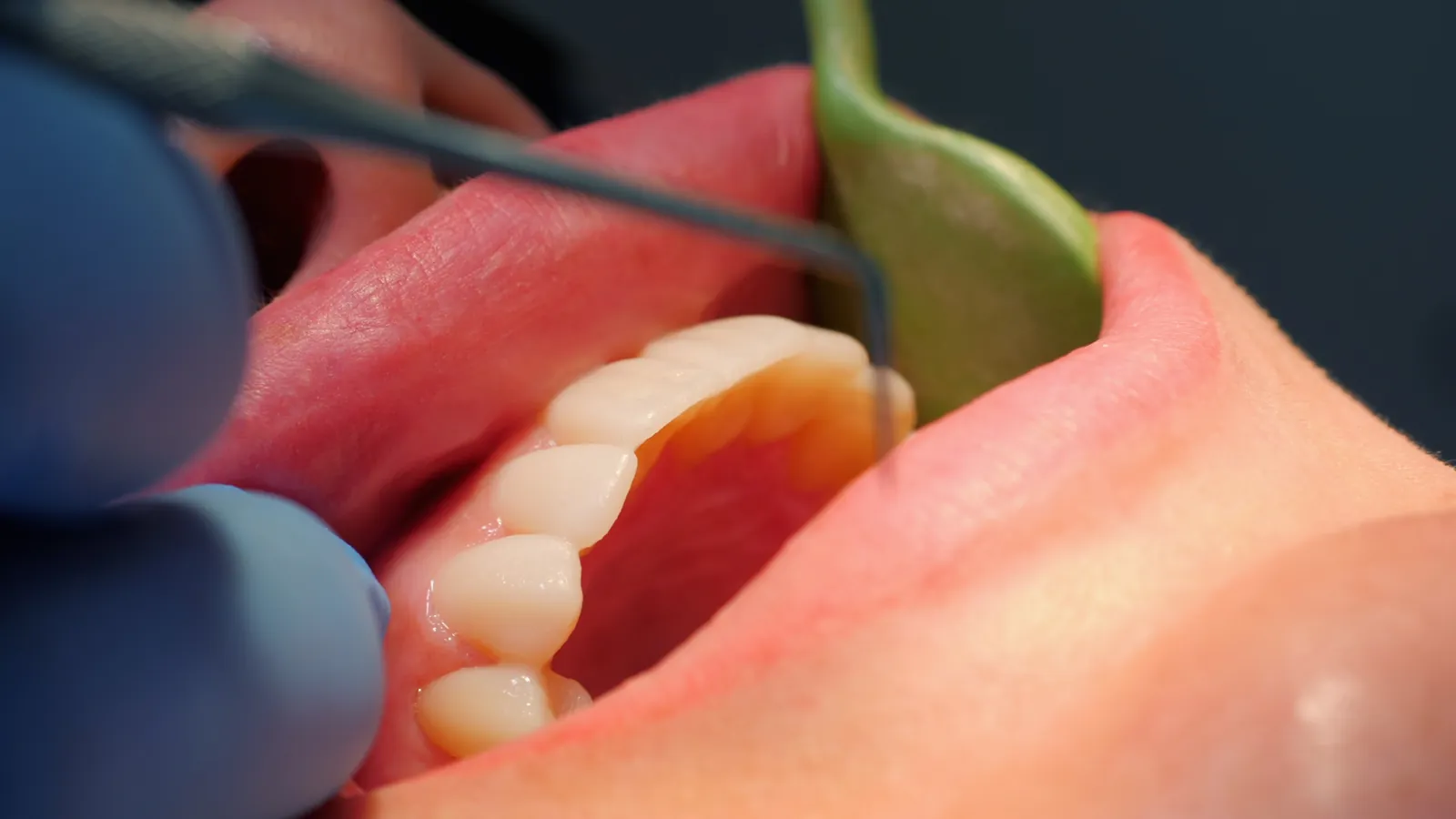
- The dentist examines the tooth and reviews digital X-rays.
- The area is numbed with local anesthetic.
- Damaged or decayed material comes out, and the tooth is shaped for the crown.
- An impression or digital scan records the tooth and your bite.
- A temporary crown covers the tooth while the final one is made.
- At the next visit, the dentist checks the fit and bite before bonding the final crown.
The temporary usually stays on for about one to two weeks. Skip ice, hard candy and very sticky food on that side. And call the office if it comes off or your bite feels uneven.
Cost, Lifespan and Care
The price depends on the tooth, the crown material and whether the tooth needs other care first. You'll get a written estimate from Cagigas Dental before treatment. The office can check your insurance benefits, but your plan decides what it covers. Financing choices are on the payment and insurance page.
Cagigas Dental says most crowns last about 10 to 15 years with proper care. Some last longer. Some need replacing sooner, because grinding, decay at the edge, a hard impact or changes in the tooth can shorten that time.
- Brush twice a day with fluoride toothpaste.
- Clean between the crowned tooth and its neighbors every day.
- Keep regular exams and cleanings so the dentist can check the crown's edge and your bite.
- Don't chew ice, pen caps or other hard objects.
- If you grind your teeth, ask whether a night guard is appropriate.
Resumen en Español
Una corona dental cubre la parte visible de un diente debilitado. La dentista puede recomendarla si el diente está agrietado, tiene una restauración grande, está muy desgastado o necesita protección después de un tratamiento de conducto. No todos los dientes dañados necesitan corona. Con un examen y radiografías digitales se decide si basta con una restauración o si hace falta cubrir el diente. En muchos casos son dos visitas: en la primera se prepara el diente y se coloca una corona temporal, y en la segunda se revisa el ajuste de la corona final. El costo depende del material y de otros tratamientos que sean necesarios. Para cuidar la corona, cepíllese, limpie entre los dientes y no muerda hielo ni objetos duros. Llame a Cagigas Dental al (561) 814-2888 para solicitar una cita.